Planting a tree is a long-term investment in a property. Done correctly, a well-placed tree adds shade, visual structure, habitat value, and long-term appeal to any yard. Done incorrectly, it creates problems that can take years to fully surface, root damage to foundations and utilities, trees that fail to establish, or species that grow in ways the property cannot accommodate. Professional tree planting service gives property owners the guidance and technical execution needed to get this right from the start. Jay Eubanks Tree Service helps property owners select the right trees and installs each one with proper technique to support healthy, long-term establishment.
Tree planting is the process of selecting, positioning, and installing trees in a way that supports their long-term health and suits the specific conditions of the planting site. It involves species selection, hole preparation, root positioning, backfilling, and aftercare planning.
A professional tree planting service does more than dig a hole and drop a tree in. Planting depth, root flare positioning, soil condition, drainage, and irrigation all affect if a newly planted tree establishes successfully or begins declining within a few years.
Improper planting is one of the leading causes of early tree failure. Trees planted too deep, in poorly drained soil, or with roots circling the root ball can struggle for years before showing visible symptoms. Starting with professional planting avoids these outcomes.
After a tree removal, replanting with an appropriate species restores canopy cover and landscape structure.
Properties that have been graded or built often have compacted, nutrient-depleted soil that requires preparation before trees can establish successfully.
Positioning trees to provide shade over a home, patio, or outdoor space requires planning around the tree’s mature size, canopy spread, and sun angle.
Trees planted as a screen or buffer need to be spaced and selected for appropriate height, density, and growth rate to actually perform the intended function.
Trees planted along slopes or near drainage areas help stabilize soil and reduce erosion over time.
Property owners who want to increase canopy cover benefit from professional guidance on species selection and placement that will perform well over decades.

We evaluate the planting location for soil conditions, drainage, sun exposure, underground utility locations, and proximity to structures. This determines which species are appropriate and how the tree should be installed.

We recommend species that are suited to the site’s specific conditions and the property owner’s goals, accounting for mature size, root behavior, canopy spread, and regional performance.

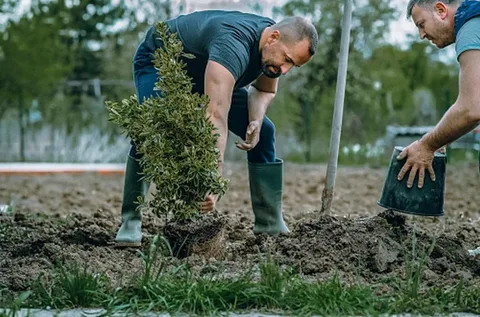
The planting hole is dug to the correct dimensions, wide enough to accommodate the root ball without compressing it, and shallow enough to position the root flare at or slightly above the soil surface.
Burlap, wire baskets, and container materials are removed or cut back appropriately before the tree is set in the hole.
The tree is positioned, leveled, and backfilled using native soil mixed as appropriate for site conditions. We avoid soil amendments that can create drainage disparities within the root zone.
A mulch ring is applied around the base of the tree to retain moisture, regulate soil temperature, and reduce competition from grass and weeds. Mulch is kept clear of direct contact with the trunk.
We walk property owners through watering schedules and initial care steps for the establishment period.

Trees planted with proper technique establish faster and with fewer setbacks than those planted without attention to soil, depth, and root positioning.

Not every tree is right for every site. Professional guidance ensures the species selected will perform well in the specific conditions where it is planted.

Trees that establish correctly grow into mature, structurally sound specimens that add lasting value to the property.
04
Proper placement prevents root interference with foundations, driveways, and utilities before it starts.
05
Staking and other installation practices, applied correctly when needed, protect newly planted trees during the establishment period without causing damage.
Tree Health Assessment — After planting, periodic assessments help identify early signs of stress or disease before they affect the tree’s development.
Tree Pruning — Young trees benefit from early structural pruning that establishes good branching habits.
Stump Grinding — Clearing a previous stump fully before replanting ensures root competition and decomposition do not interfere with the new tree.
Tree Hauling — Debris from site preparation and material removal can be hauled as part of the planting project.
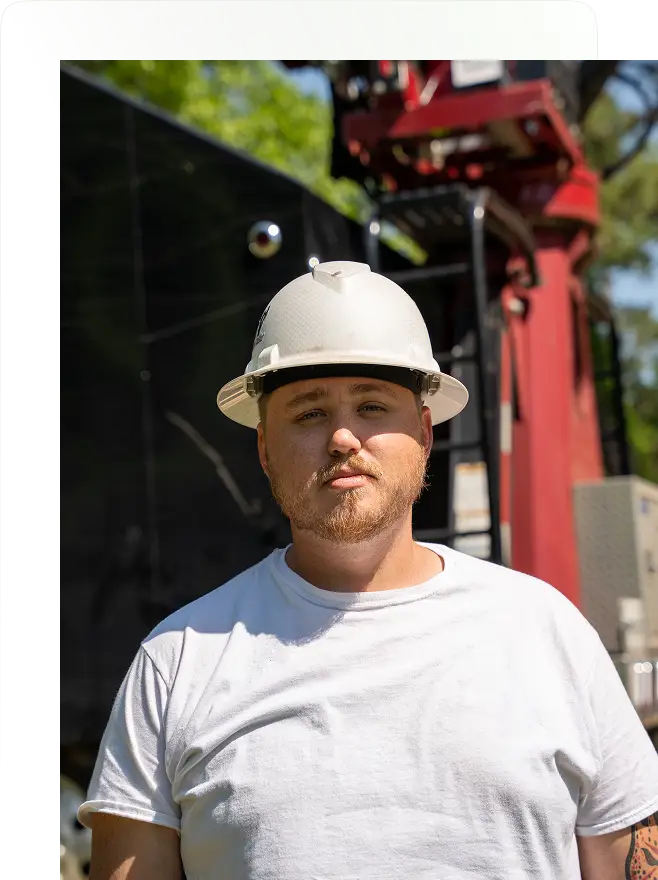
Jay Eubanks Tree Service approaches tree planting with the same attention to detail applied to every other service on a property. We assess the site before recommending species, prepare the planting area properly, and install each tree using technique that supports establishment rather than working against it.
Our team is fully insured and communicates clearly throughout the process. Property owners leave with a clear knowledge of what was planted and what the tree needs during the establishment period.
If you are ready to add trees to your property or replace one that was recently removed, our team can help you make the right choices from the start. Contact Jay Eubanks Tree Service for a free consultation.